

Growth means more to us than becoming a bigger company. It means becoming a better partner to our customers, creating opportunities for the people on our team, and building an organization that delivers lasting value.
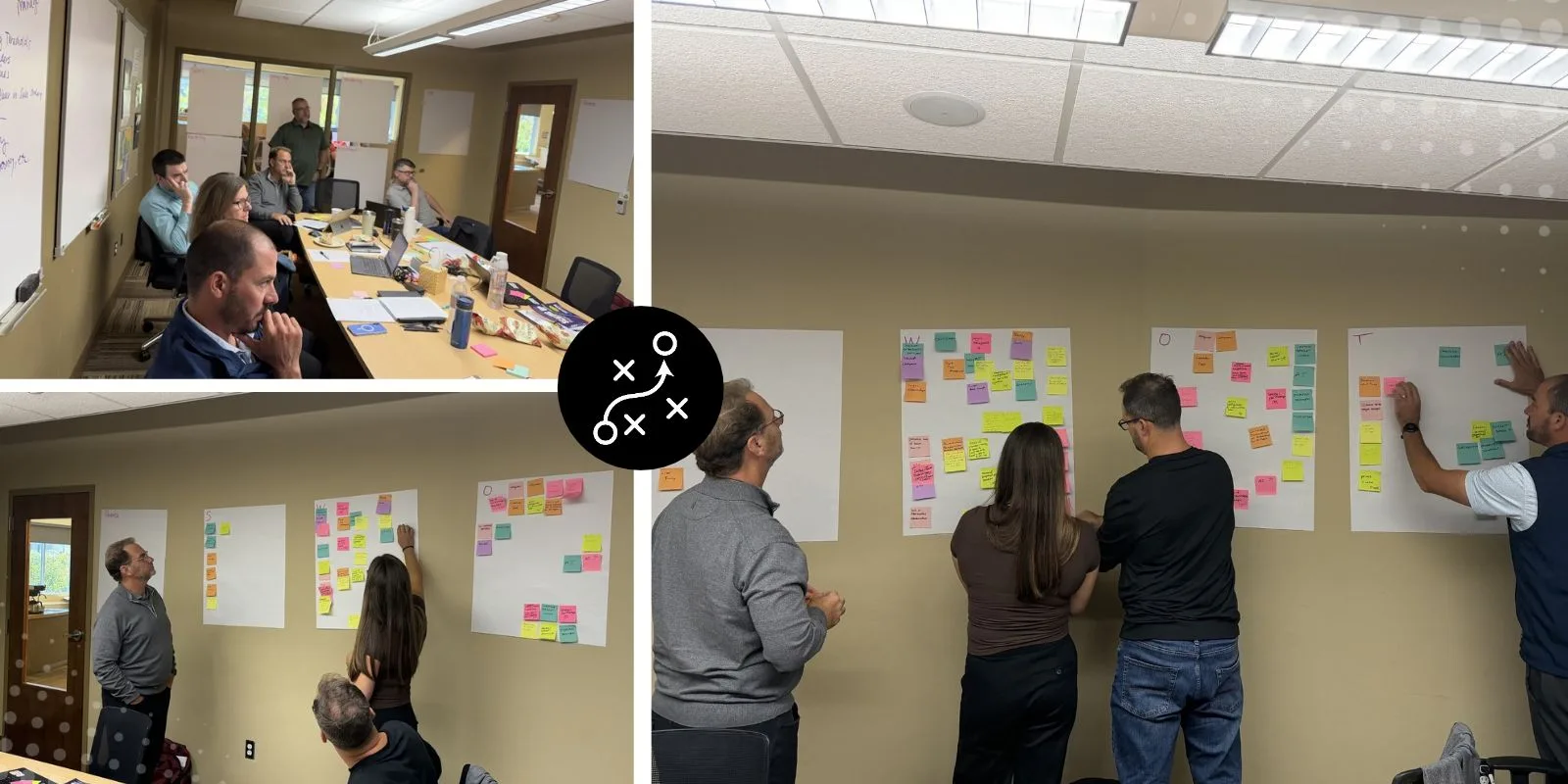
That commitment is guiding our leadership team as we develop our 3–5-year strategic direction and establish our priorities for 2027. We are investing time a couple weeks ago to define where we want to go—and how that direction will help us better serve the customers who depend on us.
At the center of those conversations is a simple question: How can we become an even better partner to our customers as their businesses evolve?
Starting With Our Customers’ Future
Our strategic planning begins with looking beyond our own goals to consider the challenges and opportunities facing our customers.
What will they need from us in the years ahead? Where can we make it easier to do business with us? How can we help them improve productivity, solve problems, and prepare for their next stage of growth?
These questions help give our planning purpose. We want our investments in people, capabilities, and processes to reflect what matters to our customers—not simply what matters internally.
Our leadership team’s shared reading of Verne Harnish’s Scaling Up has provided a foundation for this work. For us, the opportunity is to translate that growth mindset into practical improvements customers can recognize in their experience with our company.


Investing Time Today to Deliver Greater Value Tomorrow
Strategic planning requires us to step back from daily demands and think deliberately about the future. We see that time as an investment in our ability to serve customers consistently as we grow.
Our goal is to strengthen the capabilities behind the customer experience: knowledgeable people, clear communication, dependable execution, and effective collaboration across our organization.
As we evaluate priorities for 2027 and beyond, we are asking how each one will contribute to those outcomes. Will it help us respond more effectively? Improve coordination? Strengthen our ability to understand an application or deliver on a commitment?
Growth should expand the value we offer without compromising the responsiveness, relationships, and attention customers expect from us.
Turning Our Vision Into Quarterly Progress
A long-term vision establishes our direction. Our annual plan defines the milestones. Our quarterly “rocks”—the most important priorities for the next 90 days—turn those ambitions into focused action.
These rocks will help us identify what matters most, establish ownership, and define measurable outcomes. Just as importantly, they will keep us asking how our progress benefits the customer.
Some priorities may directly improve the customer experience. Others may strengthen the systems, teamwork, or capabilities that support it. In either case, we want a clear connection between the work we do internally and the value we deliver externally.
Regular reviews will help us assess progress, address obstacles, and adjust as we learn. The intention is not simply to complete a list of projects. It is to make meaningful improvements that build on one another, quarter after quarter.


Developing Our People to Better Serve Yours
Our people are central to the relationships we build and the commitments we make. That is why their development is an essential part of our growth strategy.
As we plan for the future, we are considering how to deepen technical knowledge, strengthen leadership, improve collaboration, and create opportunities for greater ownership throughout the company.
For our customers, the intended benefit is practical: a team better equipped to ask thoughtful questions, understand requirements, communicate clearly, and work through challenges.
For our employees, it means opportunities to build skills, contribute ideas, and see how their work makes a difference.
We want our people to grow with the business—and our customers to benefit from that growth.
Building a Culture Customers Can Experience
The culture we build internally should be reflected in how customers experience working with us.
We want accountability to show up as follow-through. We want collaboration to show up as coordinated support. We want continuous improvement to show up as a willingness to listen, learn, and make changes.
That means creating an environment where employees can raise concerns early, share ideas, and take responsibility for outcomes. It also means keeping customer feedback connected to our planning, so our priorities remain grounded in the needs of the people we serve.
As we grow, we intend to protect the relationships and values that matter while strengthening our ability to deliver.

A Shared Commitment to the Future
Our strategic planning is about more than defining what we want to achieve in 2027 or where we want to be in five years. It is about becoming the company our customers will need us to be.
The time we invest now, the quarterly rocks we establish, and the development of our people are all part of that commitment.
We will measure progress not only by the growth of our business, but also by the strength of our customer relationships, the capabilities of our team, and our ability to deliver on our promises.
That is the growth journey we are committed to: one that creates lasting value for our customers, meaningful opportunities for our people, and a strong foundation for the future.
This year we celebrated 35 years in business; our planning gets us really excited for the next 35!

- Growing With Purpose: Building a Stronger Future for Our Customers and Our People - November 17, 2026
- Celebrating Our Q2 2026 Recognition Award Recipients - August 11, 2026