

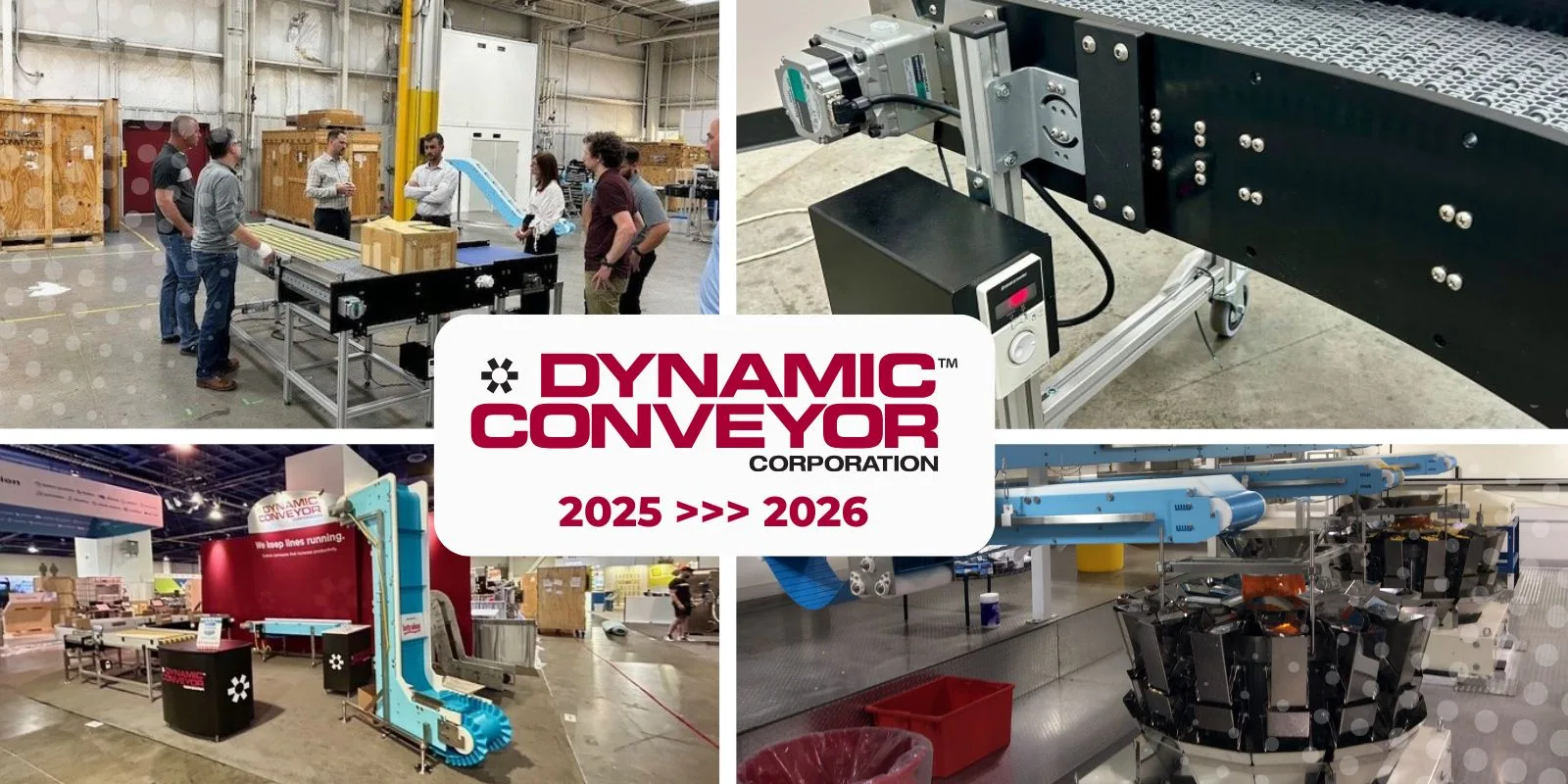
2025 seemed to mark a turning point in how manufacturers think about conveyors and material handling. Across food, packaging, plastics, and general manufacturing, the conversation shifted from long-term automation ideas to immediate, operational problem-solving needs. For many U.S. manufacturers, labor shortages intensified, production demands increased, and plant teams were asked to do more with fewer people—faster.
The Year the Conveyor Conversation Shifted
In many industries like food, packaging, plastics, and manufacturing, our customers’ conversations shifted. They went from saying, “We have some ideas to automate our processes” to “We need to fix real labor and efficiency gaps right now.”
Plant teams increasingly searched for modular conveyor systems that were low-maintenance, reduced manual handling and labor costs, and allowed for simplified changeovers. These flexible conveyor systems allow lean operations teams to manage with confidence while reducing downtime.
In food manufacturing specifically, sanitary conveyor design requirements and total cost of ownership became more sophisticated. Buyers weighed ease of cleaning and washdown capability just as heavily as initial conveyor price. Lead times and engineering support mattered more than ever, making the conveyor partner just as important as the specifications of each belt, incline, or transfer conveyor.
Modularity, Hygiene, and Smarter Automation
In 2025, technological advancements in modular conveyor platforms gained momentum due to manufacturers looking for conveyor systems that could be reconfigured, resized, or repurposed instead of replaced. Dynamic Conveyor’s DynaCon® modular conveyors and DynaPro® low-profile conveyors were able to provide solutions for customers with the added benefit of shorter lead times, resulting in quicker ROI for our customers.
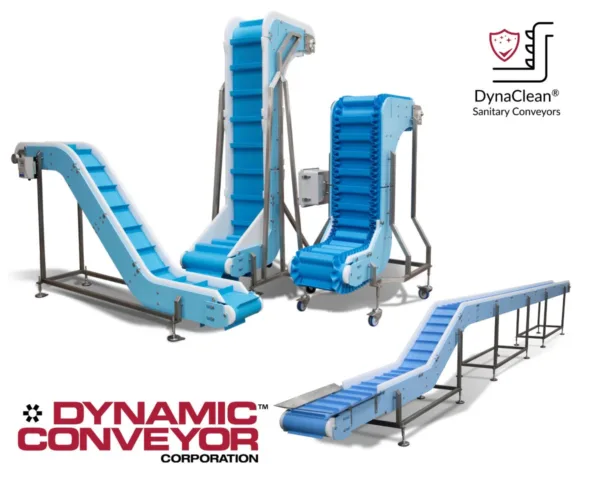 On the sanitary side, our DynaClean® sanitary conveyors saw extensive growth with food manufacturers who needed hygienic conveyor systems that can be disassembled easily, cleaned quickly, and put back in service with minimal downtime. New sanitary conveyor configurations—including Z-style incline conveyors and radius turn conveyors—helped facilities to improve product flow in tight spaces, while still meeting strict food safety and washdown requirements.
Throughout the year, we shared our success stories demonstrating the operational value of modular conveyor systems, from scrap conveyors in plastics to washdown conveyors in food processing plants.
How Conveyor Tariffs Shaped 2025
It would seem amiss to discuss 2025 as a whole and not mention the impact of tariffs on conveyor equipment, raw materials, and imported components. Tariffs on steel, aluminum, and electrical parts increased costs and added uncertainty for manufacturers that rely heavily on overseas conveyor suppliers.
Because we design and manufacture our conveyor systems in Michigan—using predominantly U.S.-sourced components— we have been able to reduce some of the global tariff volatility and better control pricing and lead times.
Read More – Impact of Tarriff’s on Conveyor Equipment
2025 On the Floor: Events and Insights
Throughout 2025, our team enjoyed meeting with manufacturers, OEMs, and integrators at many industry events. Themes like labor shortages, sanitation, and automation readiness showed up consistently, whether the topic was regarding a simple transfer conveyor to close a gap or a fully integrated conveyor system.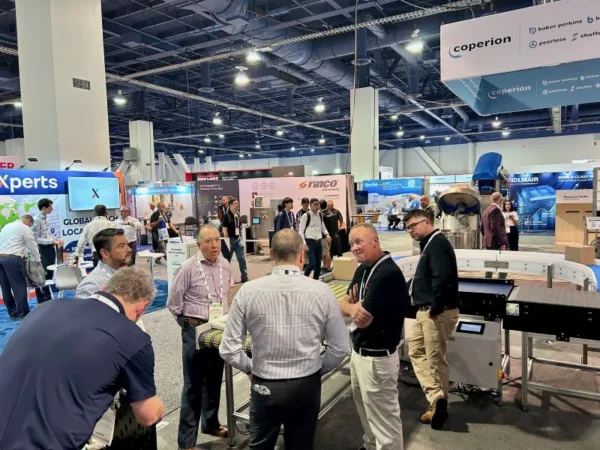
- Pack Expo Las Vegas 2025 – Attendees gravitated toward space-saving sanitary conveyors, Z-incline conveyors, and modular plastic belt conveyors designed to improve throughput without increasing footprint.
- EATS Chicago 2025 – Food processors focused on hygienic conveyors that could withstand frequent washdowns, reduce allergen risk, and improve access for sanitation teams while still supporting high-speed automation.
- PMMI and automation-focused events – Conversations around smart manufacturing highlighted the need for conveyor systems that integrate with robotics, vision inspection, and PLC controls. This connectivity is paving the way for predictive maintenance, enabling data-driven, intelligent conveyance that alerts operators to service needs in real-time.
Looking Ahead: Conveyor Priorities for 2026
The conveyor trends that defined 2025 are set to intensify in 2026. Manufacturers are simply prioritizing smarter conveyor investments: modular conveyor systems that can be expanded, re-routed, or repurposed; sanitary conveyors that shorten cleaning cycles; and low-profile conveyors that integrate seamlessly with robots and other automation equipment.
Customers gain more value when their conveyor supplier understands their processes, space constraints, and automation roadmap and can recommend the most holistic. For us at Dynamic Conveyor, the focus heading into 2026 is clear: continue listening to plant teams, continue engineering flexible modular and sanitary conveyor solutions, and continue delivering quality conveyor systems that help manufacturers solve real production problems—on the floor, every day.
If you’re planning conveyor upgrades in 2026, let’s talk. Contact Dynamic Conveyor to build flexible, reliable conveyor systems designed around your process, space, and production goals.

- Building Better Conveyors and Connections: Dynamic Conveyor’s 2025 Year in Review - January 21, 2026
- 2025 Manufacturing Trends: The Future of Conveyor Systems - September 3, 2025